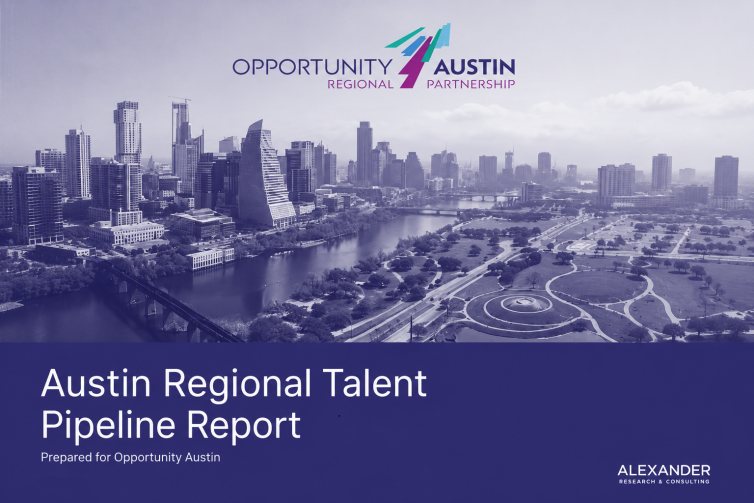

Central Texas has established itself as one of the world’s top-performing economies over the past two decades. The region leads in job creation, population growth, and GDP expansion—ranking second only to Silicon Valley in economic output. This momentum is no accident; it is the result of strategic collaboration across communities and industries.
From Williamson County’s advanced manufacturing boom—where Samsung’s state-of-the-art facilities are attracting Tesla suppliers—to San Marcos emerging as a hub for aerospace innovation and Austin’s diversification into life sciences and creative industries, the region is demonstrating the power of aligning assets to build something greater than the sum of its parts. These stories of growth reflect the vision and dedication of leaders across Central Texas.
At the foundation of this success is workforce development. Manufacturing jobs in the region offer life-changing wages—ranging from $97,000 to $170,000 annually—but expanding access to these opportunities remains a priority. Institutions like Austin Community College (ACC) and Texas State Technical College (TSTC) are addressing this need by expanding technical training programs that prepare the next generation for careers in advanced industries such as semiconductors, MedTech, and aerospace.
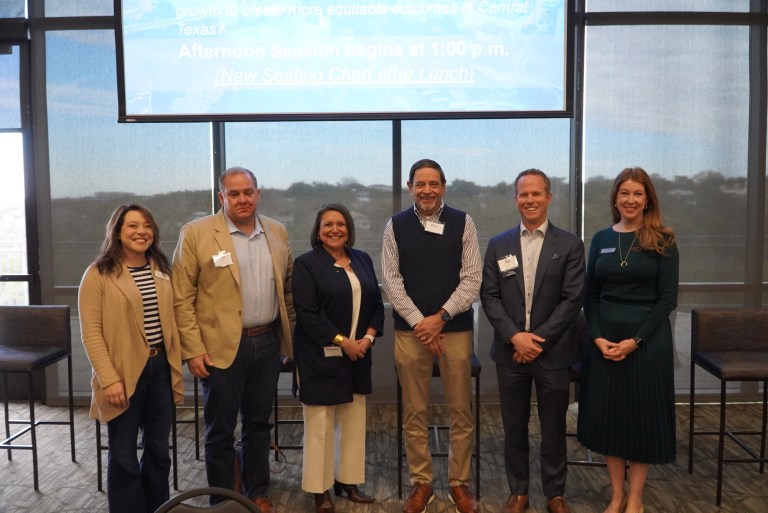
However, continued growth requires sustained investment. Infrastructure remains a critical factor in the region’s long-term success. Opportunity Austin CEO Ed Latson recently joined a panel discussion with regional leaders to emphasize the role of infrastructure in sustaining economic momentum. Investments in roads, utilities, and water systems are essential to supporting continued expansion. Housing affordability is just as crucial—ensuring that the workforce driving economic success can afford to live in the region. Addressing these challenges head-on is key to creating an environment where businesses and residents alike can thrive.

Central Texas is not just competing on a national scale—it is shaping the global economy. The question now is how to align talent, resources, and vision to not only maintain today’s momentum but also sustain long-term prosperity.
The region has seen the impact of collaboration—breaking ground on facilities that attract world-class companies, launching workforce programs that empower the next generation, and celebrating the success of local businesses making a global impact. These efforts define Central Texas and reinforce its position as a leader in innovation and economic growth.
Moving forward, a shared commitment to strategic planning and collaboration will ensure that Central Texas remains a global leader. By staying focused, intentional, and visionary, the region can continue to drive economic success for decades to come.