

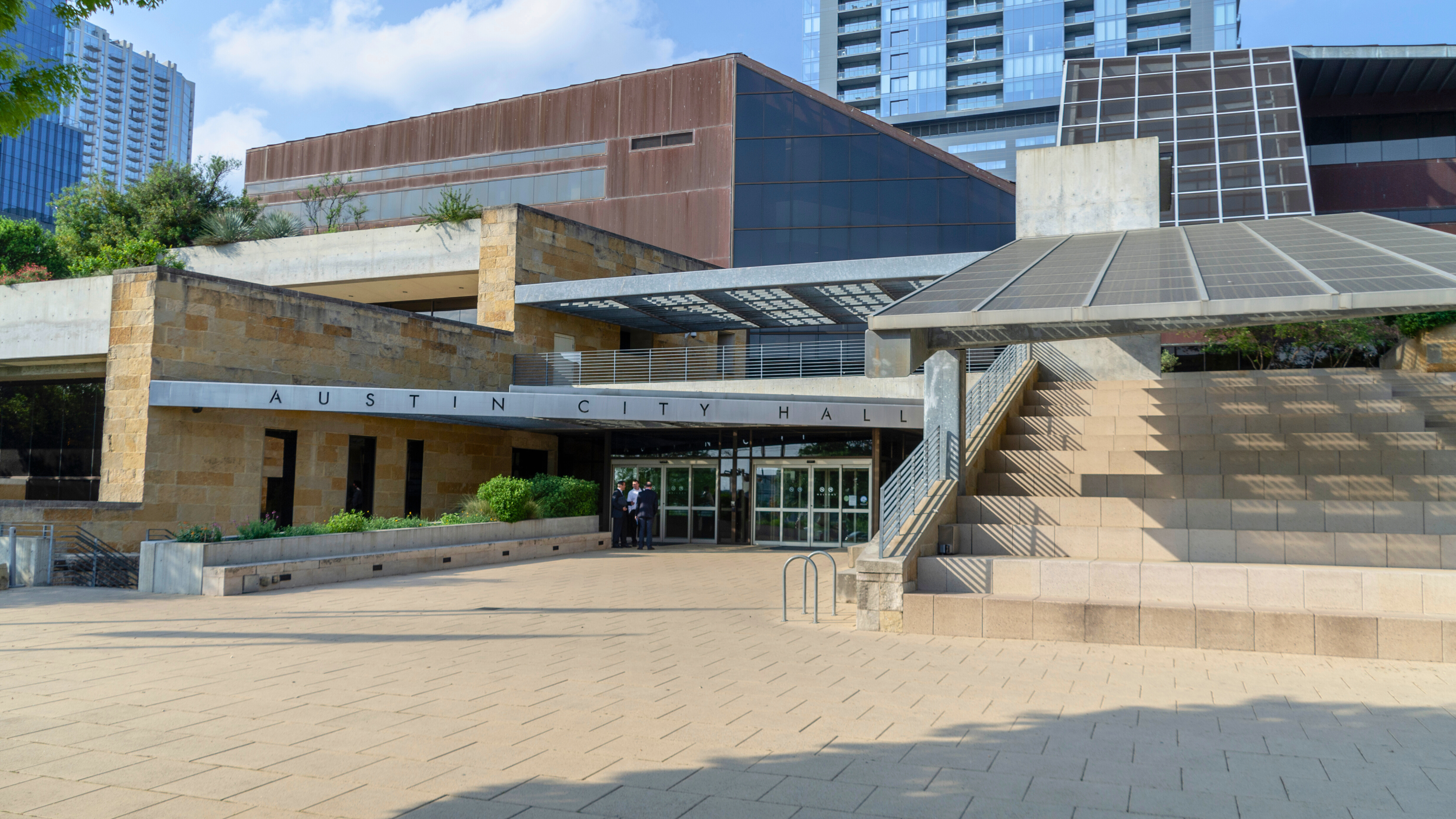
When the Austin City Council adopted a budget seeking voter approval of an almost $110 million tax increase, Opportunity Austin investors had one key question: “what is the money for?”. The answer is difficult to pinpoint.
As of Oct 9th, the budget meeting minutes and the City Council voting history from the August 14th council meeting have not been posted. The meeting transcript is available but can be difficult to follow.
A primary source of confusion over what Prop Q really pays for stems from the process. The City Manager proposed a “base” budget, and the council adopted $110 million of additional spending on top. Those additions triggered the TRE requirement but are not directly tied to Prop Q.
If Prop Q fails, the city must identify about $110 million in cuts, and all parts of the budget can be considered.
Spending Breakdown
So, what did the council add that led to the extra $110 million in spending?
One amendment document covering about 90% of the extra spending includes
- 160 additional FTE (In addition to the 101 in the base budget) costing $18.4 million
- 62 new FTE for EMS services
- 60 new FTE for Parks and Recreation Department, costing $7.4 million
- $57.7 million in “on-going expenditures”
- $20.65 million in “one-time expenditures”
- $36.8 million is allocated toward homelessness programs
A city website lists items covering about half of the $110 million, including:
- $8.2 million for parks maintenance
- $31.7 million for various homelessness initiatives
- $800,000 in one-time funding for off-site animal adoption services
- $2.5 million in additional funding for Austin Public Health trauma recovery and violence intervention services
City Council Member Chito Vela shared slides showing the allocation of the $109 million in new spending:
- 30% for homelessness
- 20% to fire and EMS
- 20% to affordable housing
- 20% to public health
- 10% to parks and recreation
Summary
Understanding Prop Q and the city budget is complex, and public information doesn’t always resolve confusion.
In our view, the key things to know about the increased spending are this:
- The total approved budget spends $6.35 billion (vs $6.25 billion in the proposed budget). That’s almost $400 million more than last year’s budget.
- The approved budget adds a net increase of 255 city employee positions.
- To fund this increase, the City Council is asking voters to approve an additional property tax increase of $110 million.
- That extra spending is not directly tied to the approval of Prop Q, it simply triggered the TRE.
If Prop Q fails, it does not mean that any specific item or program will be cut. It just means the City Council will have to reduce spending, and every part of the budget will be eligible for cuts.

