Why Sustainability Is a Competitive Advantage
For the fifth consecutive year, the Austin region was named the No. 1 U.S. metro for sustainability by Site Selection Magazine, a recognition that underscores the growing role sustainability plays in long-term economic competitiveness. The annual ranking evaluates markets through a broad set of indicators, including green building square footage per capita, Energy Star certifications, healthy workplace standards, sustainability-oriented policies and incentives, corporate social responsibility profiles, and facility investment activity in sectors with strong cleantech potential.
Austin’s performance reflects visible progress across many of those criteria. Landmark LEED-certified projects like Block 185, Indeed Tower, and Austin Central Library point to the region’s strength in green building and workplace design, while broader investments in energy planning, public infrastructure, and quality of life continue to shape how the region prepares for long-term growth.
“This recognition reflects years of intentional work to align economic growth with long-term sustainability, and it shows that the work happening across our region is being realized in the way companies and site selectors evaluate Austin,” said Susan Davenport, President and CEO of Opportunity Austin. “Looking ahead, sustainability is not just a value proposition, it is a strategy for innovation that will help the Austin region remain competitive, resilient, and future-ready.”
The recognition also comes as the City of Austin advances a new Economic Development Resolution focused on target industry sectors, stronger alignment between infrastructure and development, measurable outcomes, workforce development, sustainability, and long-term economic resilience. Those priorities build on regional efforts such as Austin Energy’s Resource, Generation, and Climate Protection Plan to 2035, which outlines a path toward clean, reliable, and affordable power generation.
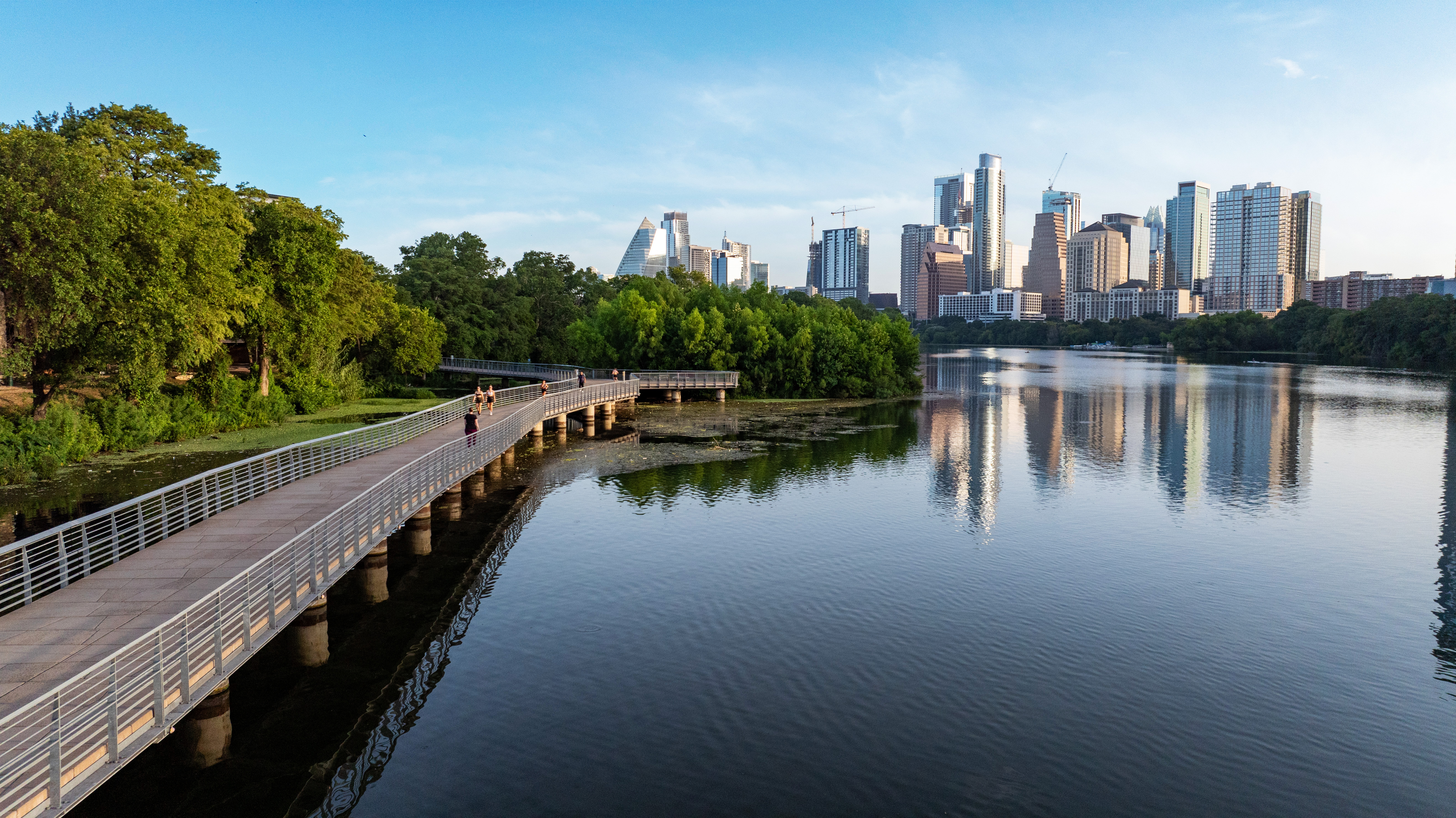
Sustainable economic development also shows up in the public spaces and infrastructure that support a growing city. Projects like Waterloo Greenway demonstrate how environmental restoration, mobility, flood resilience, and place-making can work together to strengthen the urban core. By restoring Waller Creek and connecting downtown destinations through green space, trails, bridges, and public gathering areas, the project supports a broader vision for downtown as Austin’s living room: a place that is accessible, active, resilient, and reflective of the community’s values.
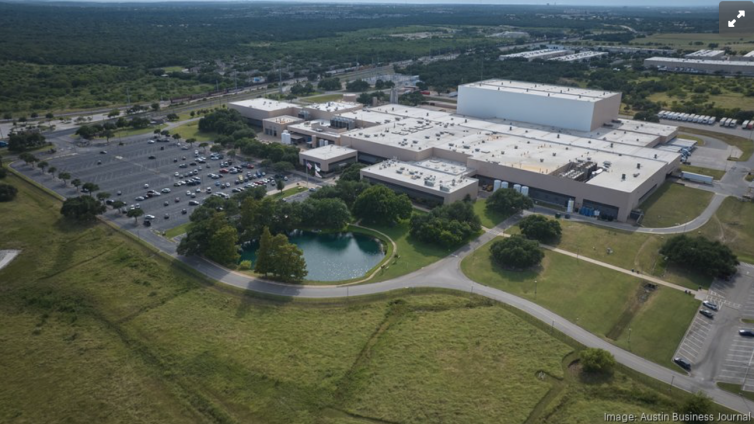
As industries like AI, semiconductors, advanced manufacturing, and digital infrastructure continue to grow, companies are placing greater emphasis on markets that can support expansion responsibly and reliably. For Austin, sustainable economic development means more than environmental performance. It means building the infrastructure, workforce, partnerships, and quality of life that allow the region to grow with purpose.