

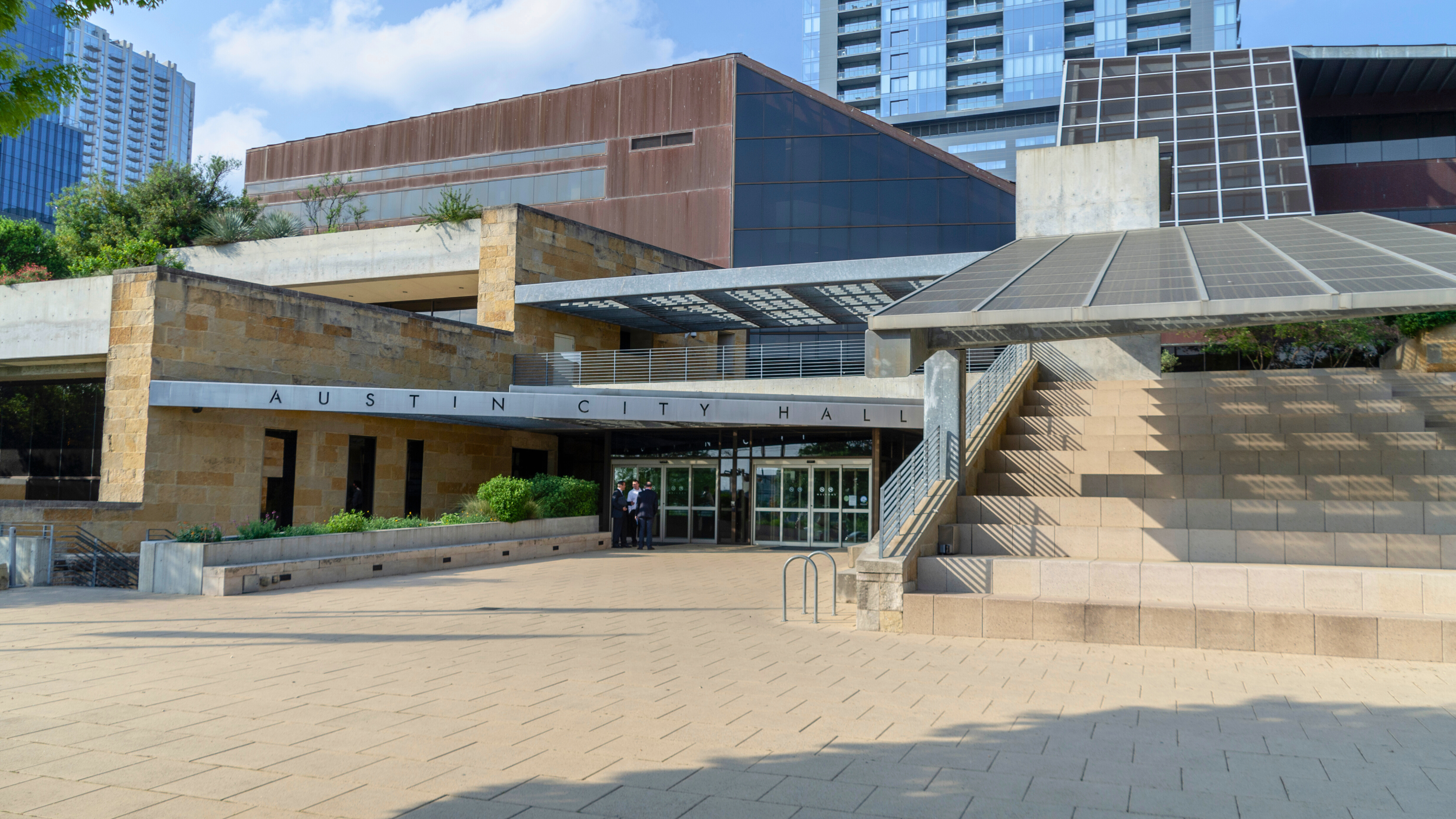
Austinites considering their position on Prop Q may be wondering what will happen if it doesn’t pass.
The simple answer is that the City Council will have to reconsider their budget and limit their spending to stay within the state’s revenue cap.
We recently wrote about the city’s budget and “where the money goes”, and how a primary source of confusion over what Prop Q really pays for stems from the process.
What Happened:
The City Manager proposed a “base” budget which increased spending by $305 million over last year, and the Council adopted $110 million of additional spending on top. Those additions triggered the TRE requirement but are not directly tied to Prop Q.
If Prop Q fails, the city must identify about $110 million in cuts, and all parts of the budget can be considered.
In other words, none of the money raised by Prop Q is dedicated to any specific program or expense.
What They Say:
Proponents of the tax increase suggest that defeating Prop Q will result in drastic cuts to essential city services. They reference things like fully funding the homelessness plan, new parks and recreation staff, public health and social services programs, and more.
Opponents say the funding from Prop Q is about adding new expenses or programs, such as the addition of 154 new city employees, not maintaining city services. It’s difficult to call these “essential city services” if they didn’t previously exist.
Opponents also say it’s disingenuous to call these “cuts.” If the city had budgeted within the limits set by state law, no cuts would be needed. If Prop Q fails, the “cuts” are only necessary because the city adopted a budget so large that it required voter approval.
Regardless, where the cuts happen and how drastic they are will be entirely up to the City Council when they reconsider the budget. If these new spending items are essential, the Council will have the opportunity to determine how to fund them.
Summary:
The money raised by Prop Q is not dedicated to any specific program or expense.
As a result, Prop Q is not a question of whether you value funding for homelessness programs, or other essential city services. The true question on Prop Q is whether Austin residents should give the city another $110 million in property taxes every year from now on for its general use.

